

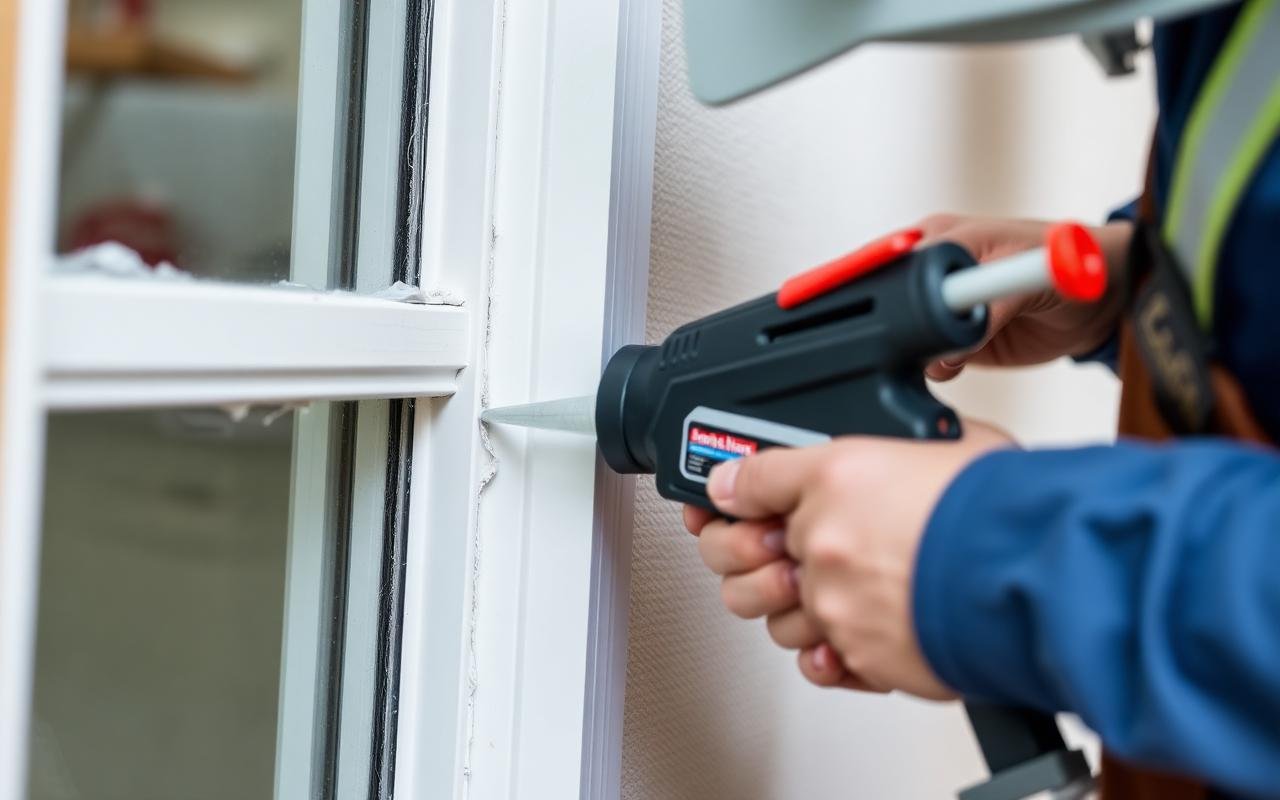
Large-format porcelain slabs, heavy natural stone and outdoor terraces have changed what tilers expect from an adhesive. Traditional cement-sand beds struggle with low-absorption tiles, and basic adhesives can let heavy wall tiles slide before they set. Kerakoll Bioflex is a flexible, mineral-based adhesive designed for these demanding installations, while keeping chemical additives to a minimum.
This guide covers what Bioflex is, where it works best, how much you need and how to get a lasting bond.
What Is Kerakoll Bioflex?
Bioflex is a single-component, cement-based tile adhesive from Kerakoll, the Italian building materials manufacturer. It is classified C2TE under EN 12004:
- C2: improved cementitious adhesive with high bond strength
- T: zero vertical slip, so tiles stay put on walls
- E: extended open time, giving you longer to place and adjust tiles
Its formulation sets it apart. Mineral bentonite makes the mix highly thixotropic, so the adhesive bed holds its shape and thickness under the tile. Natural hydraulic lime improves workability, and a plant-based latex extends open time. Together they reduce the need for synthetic additives. Bioflex also carries the EC1 Plus very-low-emission rating, which makes it a sensible choice for homes, hospitals and other occupied interiors.
Where Can You Use Bioflex?
Bioflex suits floors and walls, indoors and outdoors, in homes, commercial buildings and infrastructure projects.
Suitable tiles: porcelain stoneware, ceramic, terracotta, clinker, marble, natural stone and mosaics.
Suitable substrates:
- Cement screeds, mortars and renders
- Anhydrite screeds and gypsum renders
- Plasterboard, fibre-cement and indoor aerated concrete
- Underfloor heating screeds
- Cementitious waterproofing membranes such as MAPEI Mapelastic Smart on terraces, balconies and bathrooms
Avoid using it on: wood, metal, plastic, vibrating or deformable surfaces, painted walls, existing tiled floors and swimming pools. For tiling over old tiles or other demanding substrates, a more deformable adhesive such as Kerakoll Superflex is the better fit.
Key Benefits
- Zero slip on walls: Heavy porcelain and stone wall cladding stays in position without spacers sagging.
- Long open time: At least 60 minutes at 23°C, which helps on large areas and in warm Indian conditions where adhesive skins over quickly.
- Generous pot life: About six hours after mixing, which reduces wastage.
- Versatile bed thickness: From 2 mm up to 15 mm, so it can level minor substrate irregularities.
- Frost resistance: Suitable for exposed terraces and facades.
How Much Bioflex Do You Need?
Consumption is about 1.22 kg/m² per mm of bed thickness for the grey version. Typical figures:
- Small wall tiles (3 mm bed): about 3.7 kg/m²
- Standard floor tiles (5 mm bed): about 6 kg/m²
- Large-format tiles and stone (back-buttered, 8 mm total): about 10 kg/m²
One 25 kg bag covers roughly 4 to 7 m², depending on tile size and trowel notch.
How to Lay Tiles with Bioflex
- Prepare the substrate. It must be cured, sound, flat and free of dust, oil, laitance and loose material. Dampen highly absorbent surfaces lightly in hot weather.
- Mix. Add about 7.5 litres of clean water per 25 kg bag and mix with a low-speed drill until smooth and lump-free.
- Spread a skim coat. Press a thin layer firmly into the substrate with the flat side of the trowel to maximise bond.
- Comb the adhesive. Use a notched trowel sized to the tile and comb in straight lines, not swirls.
- Back-butter large tiles. For tiles above 60 × 60 cm, natural stone and outdoor floors, also apply a thin layer to the tile back for full coverage.
- Place and beat in. Press each tile into the bed with a sliding motion. Lift a tile occasionally to confirm full contact.
- Grout. Floors can usually be grouted and take light foot traffic after about 16 hours at 23°C. Allow about three days before heavy traffic.
Finishing the Job
In showers, commercial kitchens and pool surrounds, pair Bioflex with a chemical-resistant epoxy grout such as MAPEI Kerapoxy. Once grouting is complete, clean cement and grout haze from porcelain and ceramic with FILA DETERDEK PRO. For natural stone, protect the surface with a stain protector like FILA MP90 ECO XTREME.
If you are still deciding between adhesive types, our guides on choosing the right tile adhesive and tile adhesive vs. cement mortar explain the trade-offs.
Conclusion
Kerakoll Bioflex combines C2TE performance, zero slip and a long open time with a mineral formulation that is low on chemical additives. It handles porcelain, ceramic and stone across floors and walls, indoors and out. Explore Kerakoll Bioflex at Crete Pro Trading or contact our team for help matching the right adhesive to your tiles and substrate.
Frequently Asked Questions
1. What is Kerakoll Bioflex used for?
Kerakoll Bioflex is a C2TE mineral-based tile adhesive for fixing porcelain stoneware, ceramic, terracotta, clinker, marble, natural stone and mosaics on floors and walls, indoors and outdoors.
2. What is the classification of Kerakoll Bioflex?
Bioflex is classified C2TE under EN 12004: an improved cementitious adhesive (C2) with zero vertical slip (T) and extended open time (E).
3. How much Kerakoll Bioflex is needed per square metre?
Consumption is about 1.22 kg/m² per mm of bed thickness. In practice, that is roughly 3.7 kg/m² for small wall tiles and 6 to 10 kg/m² for floor tiles, large formats and natural stone.
4. Can Kerakoll Bioflex be used over old tiles?
No. Bioflex is not recommended over existing tiled floors, wood, metal or deformable surfaces. A more deformable adhesive such as Kerakoll Superflex is better suited to tile-on-tile installations.
5. When can tiles fixed with Bioflex be grouted?
At around 23°C, floor tiles fixed with Bioflex can usually be grouted and walked on lightly after about 16 hours. Allow roughly three days before heavy traffic. Cold weather extends these times.