
If you’ve ever watched a concrete pour go wrong, you know the feeling. The mix sets too fast, or it won’t compact properly. Sometimes, cracks show up weeks later and nobody wants to own the mistake. Concrete admixtures exist to stop exactly this. They’re the small, often overlooked materials that decide whether your concrete performs on site or becomes a callback headache. We work with engineers and contractors across India every day who are trying to solve one of these problems, and admixtures are usually part of the fix.
Let’s walk through what concrete admixtures actually do, the main types you’ll come across, and where they get used on real projects.
What Do Concrete Admixtures Actually Do?
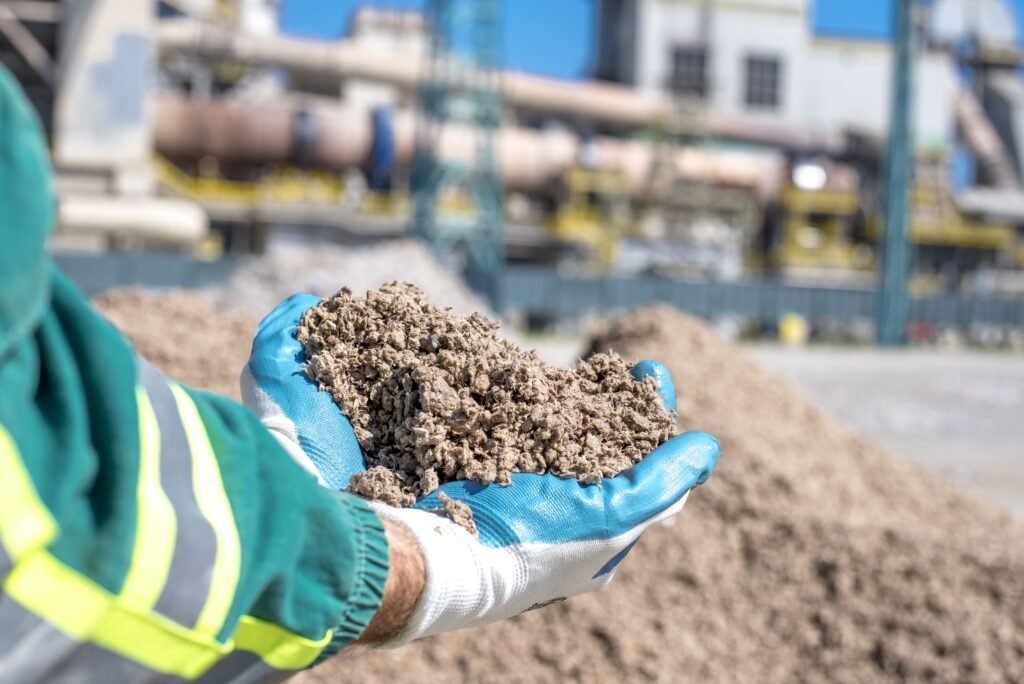
Concrete admixtures are chemical substances added to a concrete mix during batching. They’re not part of the basic recipe of cement, water, and aggregate. Instead, they modify how that basic mix behaves. Some admixtures buy you time. Others speed things up. Some make the mix easier to pump or pour, while others quietly protect the steel inside from corroding over the years. A good admixture doesn’t change what concrete is. It changes how concrete performs for your specific site, weather, and structural need.
Types of Concrete Admixtures Used On Site
Not every project needs the same fix, so admixtures come in several categories. Here’s what each one solves.
Plasticizers and Superplasticizers for Better Workability
These are probably the most commonly used concrete admixtures on Indian sites. They reduce the amount of water needed in a mix without hurting its strength. Less water usually means a stronger, denser concrete once it cures. Superplasticizers go a step further and give you a much more fluid, pumpable mix, which matters a lot on high-rise pours or heavily reinforced sections where the concrete has to flow into tight spaces.
Retarding Admixtures for Hot Weather and Long Transport
Retarders slow down the setting time of concrete. This sounds counterproductive until you’re pouring in a hot day or transporting ready-mix concrete over a long distance. Without a retarder, that concrete might start setting in the drum before it even reaches the site. Retarders give crews the extra working time they need to place and finish the pour properly.
Accelerating Admixtures for Faster Strength Gain
Accelerators do the opposite job. They speed up setting and early strength gain, which is useful in cold weather or on projects where formwork needs to come off fast to keep the schedule moving. Precast units and repair jobs also lean on accelerators heavily, since faster strength gain means faster turnaround.
Air-Entraining Admixtures for Freeze-Thaw and Durability
Air-entraining admixtures introduce tiny air bubbles into the mix. These bubbles give the concrete room to expand and contract without cracking, especially in regions with sharp temperature swings. They also improve workability slightly, which contractors tend to appreciate as a side benefit.
Waterproofing and Integral Admixtures for Water Resistance
Waterproofing admixtures reduce the size and number of pores inside hardened concrete. Fewer pores means less path for water to travel through. This type gets used a lot in basements, water tanks, terraces, and any structure where dampness would eventually become a structural problem, not just a cosmetic one.
Corrosion-Inhibiting Admixtures for Reinforced Concrete
Steel reinforcement corrodes when moisture and chlorides reach it. Corrosion inhibitors form a protective layer that slows this process down, which matters most in marine structures, bridges, and anything exposed to de-icing salts or coastal air.
Where Concrete Admixtures Get Used on Real Projects
Concrete admixtures show up across almost every type of construction work. Ready-mix producers use plasticizers and retarders constantly, since transport time and weather are daily variables they have to manage. Infrastructure projects like bridges, tunnels, and water-retaining structures depend on waterproofing and corrosion-inhibiting admixtures to hit long design-life targets. High-rise builders lean on superplasticizers to get concrete through congested reinforcement without segregation. Precast manufacturers use accelerators to keep production cycles tight.
Basically, wherever there’s a specific site challenge, chances are good there’s an admixture built to solve it.
Choosing the Right Concrete Admixture Suppliers in India
Picking an admixture isn’t just about grabbing whatever’s available at the nearest store. The wrong product, or the wrong dosage, can throw off setting time, strength, or finish in ways that are expensive to fix after the fact.
This is where working with the right concrete admixture suppliers in India actually matters. We help civil engineers and contractors match the admixture to the site condition, not the other way around. Whether the challenge is a tight pour schedule, a below-grade waterproofing requirement, or a long-distance ready-mix delivery, we bring in construction chemical solutions from established global brands and back it up with technical guidance on the ground. We know Indian site conditions aren’t always textbook. Temperature swings, transport delays, and tight deadlines are the norm, not the exception. That’s why our team focuses on understanding your actual project brief before recommending anything, so the mix quality you’re aiming for doesn’t get compromised along the way.
If you’re planning a pour and aren’t sure which concrete admixture fits your conditions, reach out to us. We’d rather talk it through with you upfront than have you deal with a cracked slab later.
Frequently Asked Questions
Do concrete admixtures affect how long concrete takes to cure?
Yes, some admixtures directly change curing behavior. Retarders extend the time before concrete starts setting, while accelerators shorten it. Waterproofing and air-entraining admixtures generally don’t change curing time much, but they do affect the final density and durability of the cured concrete once it hardens fully.
Can two different concrete admixtures be used in the same mix?
In many cases, yes, but not always safely. Some admixtures work well together, like a plasticizer paired with a retarder. Others can react badly and cause segregation or bleeding if combined without testing. It’s best to trial the combination or get technical guidance before mixing multiple admixtures on a live pour.
Are concrete admixtures safe for steel reinforcement?
Most quality admixtures are formulated to be chloride-free, meaning they won’t promote corrosion in reinforced concrete. Corrosion-inhibiting admixtures actually protect the steel further. That said, always check the product datasheet, since some older or low-quality admixtures can contain chlorides that harm reinforcement over time.
How much admixture should go into a concrete mix?
Dosage depends on the specific admixture, the cement content, and the performance you’re targeting. Manufacturers provide a recommended dosage range on their datasheets, usually as a percentage of cement weight. Overdosing can cause segregation or delayed setting, so it’s always worth doing a trial batch first on larger projects.
Do concrete admixtures increase the overall cost of a project?
Admixtures add a small cost upfront, but they often reduce expenses elsewhere. Less water usage, faster schedules, fewer repairs, and longer structural life all offset the initial spend. For most contractors, the right admixture ends up paying for itself through fewer site problems down the line.